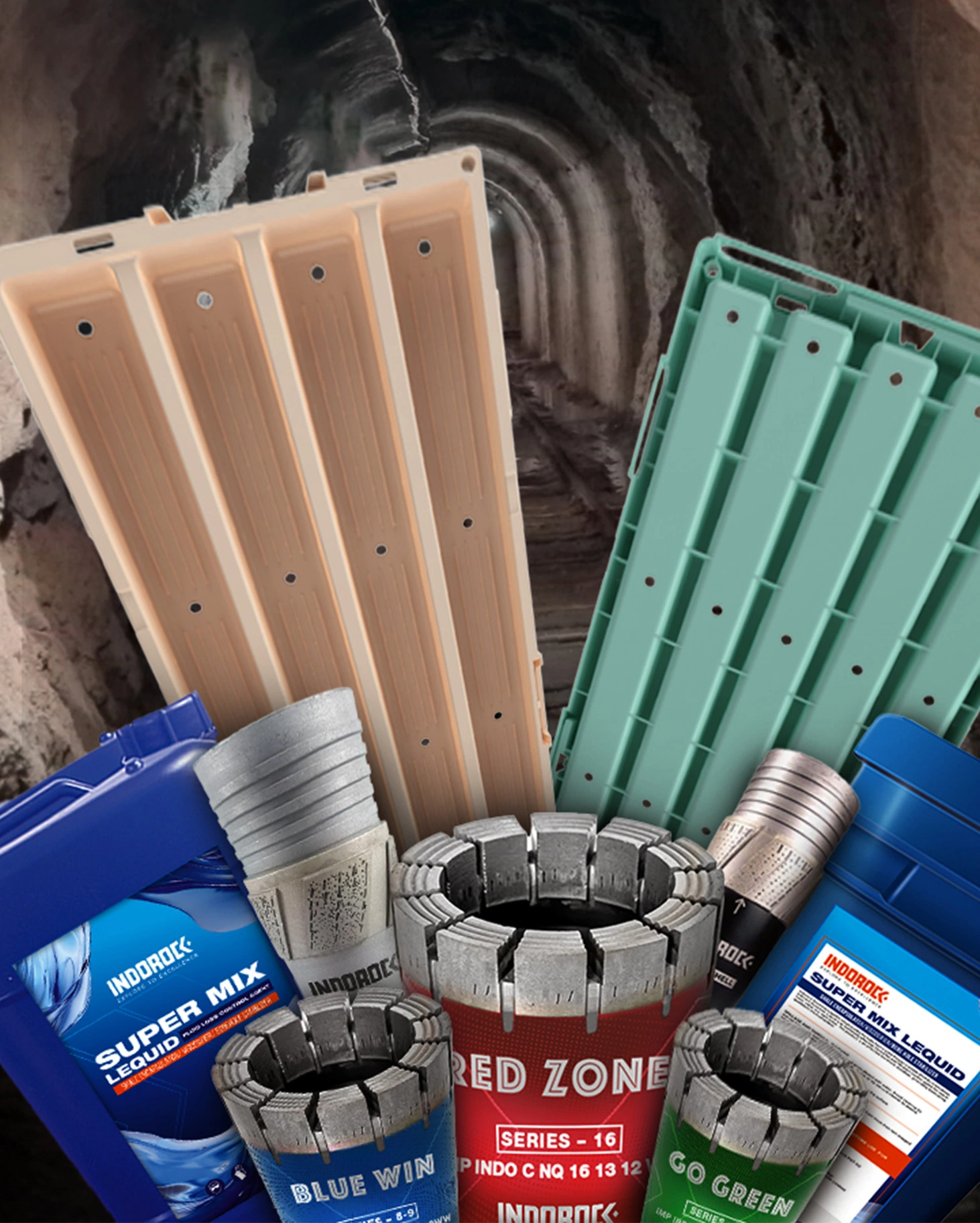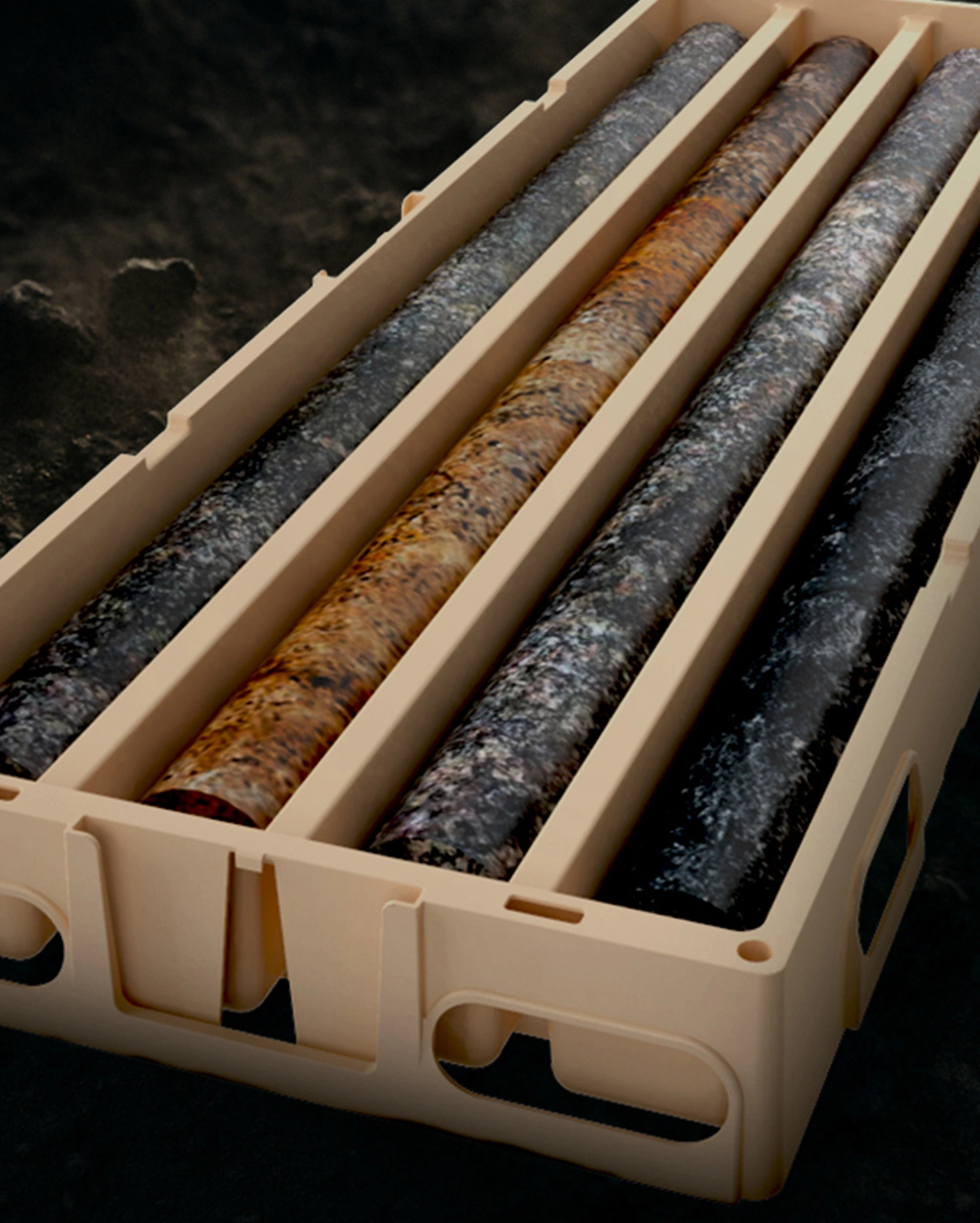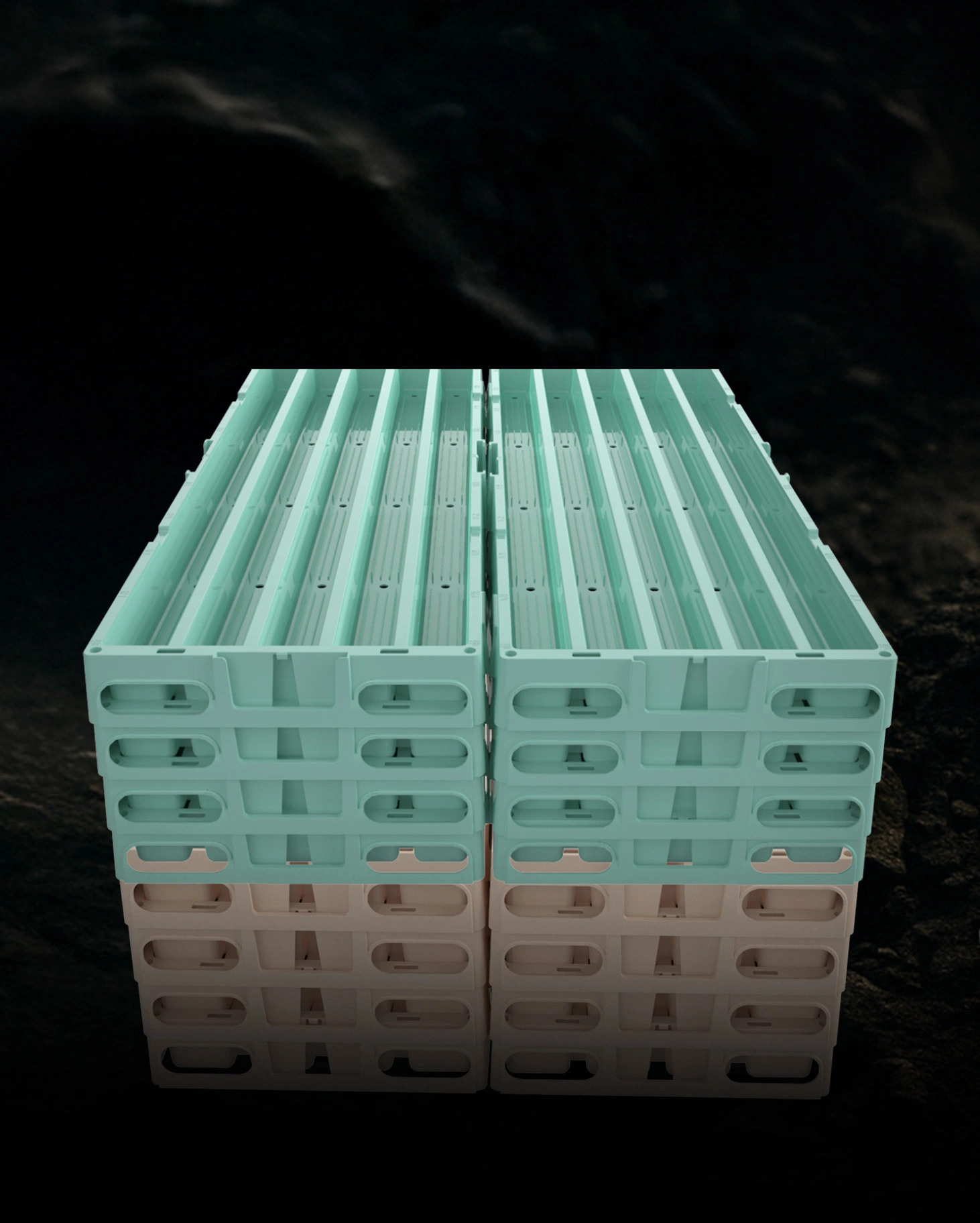
In mining and geological exploration, core samples are the foundation of critical decisions. Preserving them requires reliable storage solutions, and polypropylene (PP) core trays, also referred to as plastic core trays, are widely used for this purpose. Lightweight, durable, and chemically resistant, PP trays provide a practical solution for storing and transporting core samples.
However, there is an often-overlooked factor that significantly affects their lifespan: ultraviolet (UV) radiation from sunlight. Over time, UV exposure can compromise even high-quality trays, leading to brittleness, cracking, and color fading. Understanding the science behind UV degradation and choosing trays with verified protection is essential to safeguard core samples and maintain operational efficiency.
PP is a thermoplastic polymer prized for its combination of strength, flexibility, and chemical stability. In mining, these properties make PP ideal for core trays, which must hold heavy rock samples and withstand repeated handling.
However, UV rays carry high-energy photons that can break the molecular chains in polypropylene. This process, called photo-oxidation, gradually deteriorates the material’s structure. Signs of UV damage include:
Color fading: Trays lose their original brightness and begin to appear aged.
Surface micro-cracking: Tiny fissures develop, weakening the tray.
Loss of flexibility: Trays become brittle, increasing the risk of breakage.
Reduced load-bearing capacity: Trays may fail under the weight of stacked core samples.
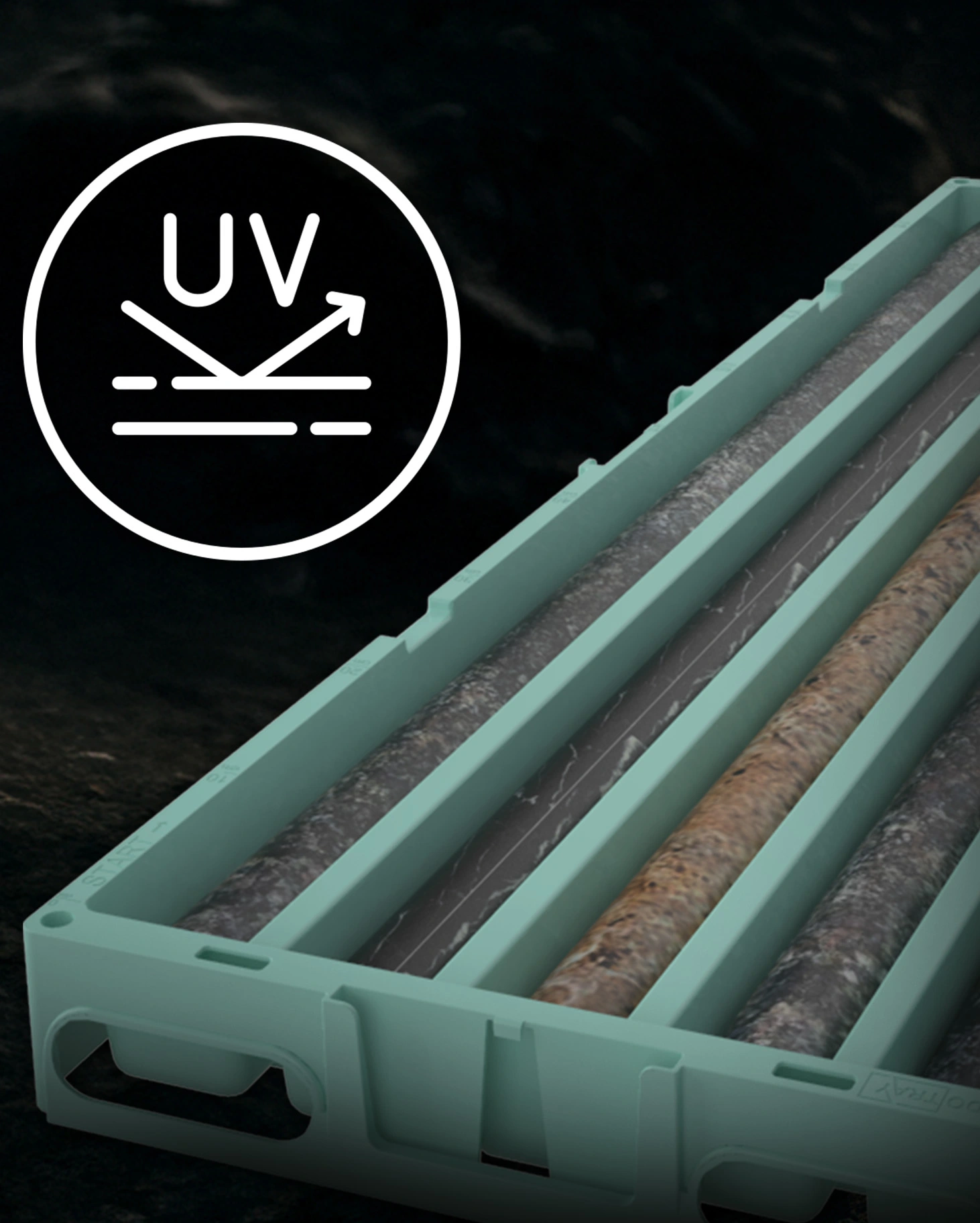
High-quality PP core trays include UV stabilizers and specialized masterbatches, which absorb or dissipate UV energy and slow chain degradation. With proper stabilization, trays can maintain structural integrity, color retention, and flexibility for years—even under direct sunlight.
While these effects are common in standard plastic trays, the difference begins at the raw material level. Indotray uses UV-stabilized polypropylene compounds enhanced with proprietary masterbatches that absorb harmful UV energy and prevent polymer chain breakdown. This material-first approach ensures durability is built into the product—not added later as a coating or afterthought.
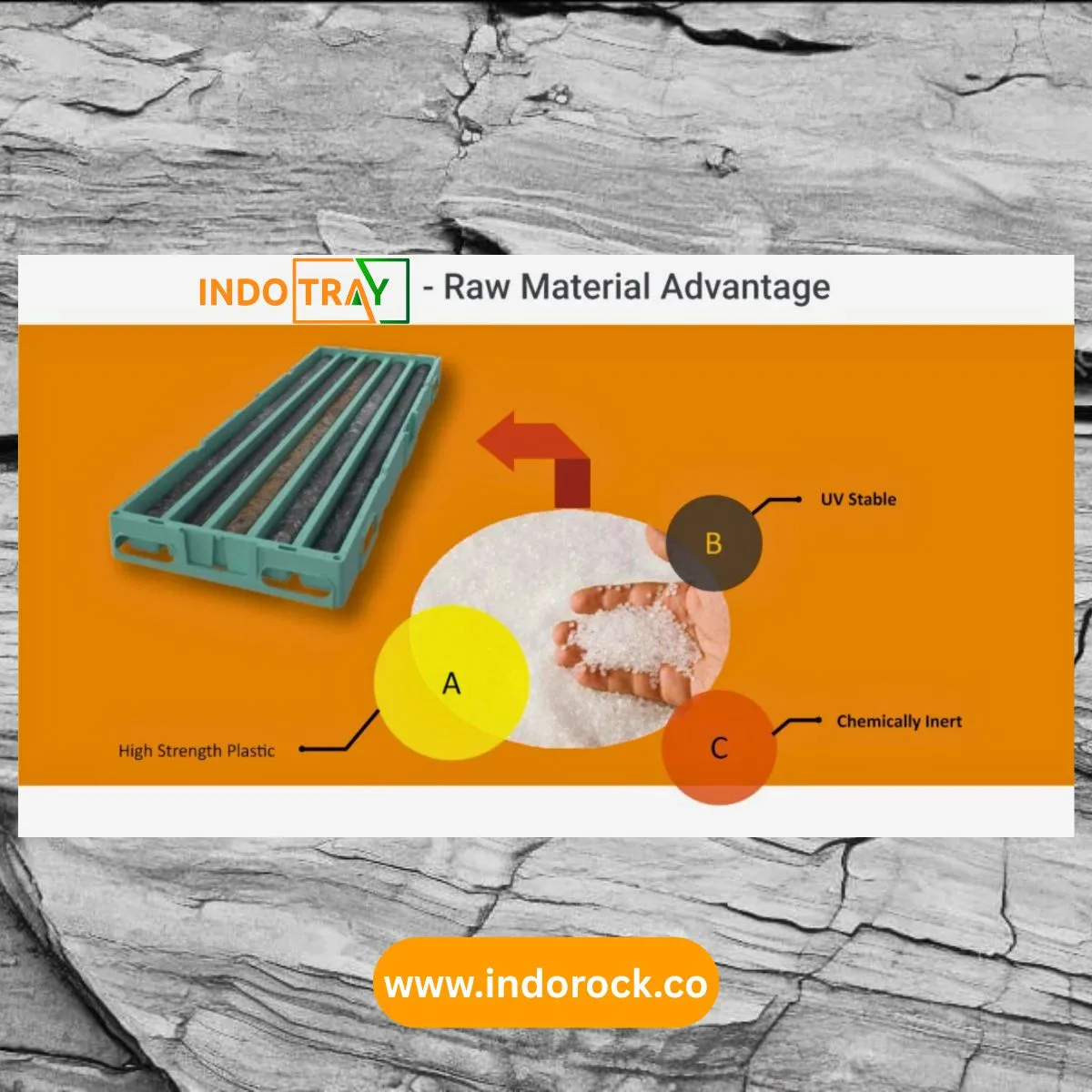
Through this engineered composition, Indotray trays maintain their color, flexibility, and structural integrity even after prolonged outdoor exposure—making them a reliable choice for open storage sites and tropical conditions.
Extended exposure to sunlight can drastically reduce the lifespan of core trays. The earliest signs of UV damage are often cosmetic, such as fading color, but the long-term effects are far more serious:
1. Brittleness and cracking compromise tray stackability and transport safety.
2. Micro-failures can expand under repeated loading, eventually causing catastrophic breakage.
3. Core sample damage occurs when trays fail unexpectedly in the field, leading to re-sampling and operational delays.
Using UV-protected PP core trays is not just a technical preference—it is critical to maintaining sample security and operational efficiency.

Mining operations in hot, arid regions—such as parts of Saudi Arabia and Northern Africa—face accelerated UV degradation due to intense sunlight. In these climates, non-stabilized trays can deteriorate within months, whereas properly stabilized trays remain reliable.
By focusing on region-specific durability, suppliers can ensure that trays perform consistently across different climates, protecting core samples from environmental stressors.
One of the most common misconceptions is that UV resistance is visible. Two trays may look identical—one stabilized, the other not—yet their performance under sunlight can differ dramatically.
Professional procurement teams rely on verified testing and documentation rather than appearances. Failing to consider UV resistance can lead to early tray failures, sample loss, and costly re-sampling.
Plastic core trays are sometimes referred to as PVC core trays or PVC core boxes, but they are never made from PVC (polyvinyl chloride). This terminology persists only as a trade reference.
PP is the true material used in these trays because of its:
1. Lightweight strength for stacking multiple trays.
2. Chemical resistance, protecting core samples from contamination.
3. Durability under harsh field conditions.
Understanding this distinction is essential when assessing suppliers, as only PP trays provide the long-term reliability needed in mining operations.
UV performance cannot be assessed in the field. Accelerated weathering or QUV (Quick Ultraviolet) testing in laboratories is the standard method to validate UV resistance. These tests simulate years of sunlight exposure in a fraction of the time, allowing manufacturers to assess:
1. Mechanical endurance under repeated stress
2. Color retention over time
3. Resistance to micro-cracking and brittleness
Only trays that pass these tests can be considered truly UV-resistant
When it comes to UV protection, there’s a common misconception that industry- wide standards like ASTM exist to define longevity or resistance levels. In reality, there is no universal or ASTM-certified benchmark that governs how long a polypropylene (PP) core tray should withstand UV exposure.
Each manufacturer conducts its own version of UV weathering simulation, using parameters such as exposure duration, light intensity, humidity, and temperature to replicate real-world outdoor conditions. Because these tests are custom- designed, the quality and accuracy vary significantly between brands.
This is where Indotray stands apart. Instead of relying on generic claims of “UV- stabilized,” Indotray subjects every PP core tray to rigorous, in-house weathering simulations—tests modeled on actual field exposure patterns in high-radiation regions. These simulations measure not only color retention but also mechanical strength, brittleness, and dimensional stability after prolonged UV exposure.
By performing custom, data-driven testing, Indotray ensures that its trays retain long-term durability even in the harshest mining environments. This commitment to verified performance gives exploration teams the confidence that their samples —and the trays holding them—will endure years of demanding field conditions.
Laboratory testing is expensive and time-consuming, which is why some suppliers skip it. Trays sold without verification may look adequate initially but degrade rapidly in field conditions. The consequences include:
Core sample damage
Re-sampling costs
Operational delays and inefficiencies
Investing in tested PP trays prevents these risks and ensures reliability over time.
When purchasing core trays, always request:
Test reports confirming UV stabilization
Accelerated weathering or QUV results
Verified documentation ensures the trays are manufactured to industry standards rather than relying on appearance or supplier claims.
Even UV-stabilized trays degrade over time if exposed continuously. Following proper storage practices extends tray lifespan:
Keep trays shaded or covered when not in use.
Store off the ground to avoid heat buildup.
Rotate stacked trays periodically for uniform wear.
These simple measures help maintain tray integrity, color, and load-bearing capacity, protecting core samples from damage.
While UV-stabilized PP trays may carry a slightly higher upfront cost, they provide significant long-term value:
Reduced need for replacement trays
Protection of core samples and data integrity
Minimized operational downtime
Low-cost, untested trays may appear economical initially, but field failures often result in far higher expenses, including lost data, re-sampling, and operational delays. Investing in verified UV-resistant PP core trays is a cost-efficient strategy in the long run.
Consider two mining sites in Northern Africa: one using UV-stabilized PP trays, the other using untested trays. After six months under harsh sun:
UV-stabilized trays remained intact, with no cracks or color changes.
Untested trays showed visible fading, micro-cracks, and reduced stackability, requiring immediate replacement.
This illustrates that UV protection is invisible at purchase but becomes critical over time, especially in demanding climates.
UV resistance may not be noticeable initially, but the difference becomes clear over months or years in the field. Tested, UV-stabilized PP core trays maintain:
Structural integrity
Color stability
Core sample protection
Trays lacking proper UV protection degrade, warp, or fail, putting samples and operations at risk. Choosing verified PP core trays ensures durability, reliability, and long-term cost savings—even under harsh sunlight.
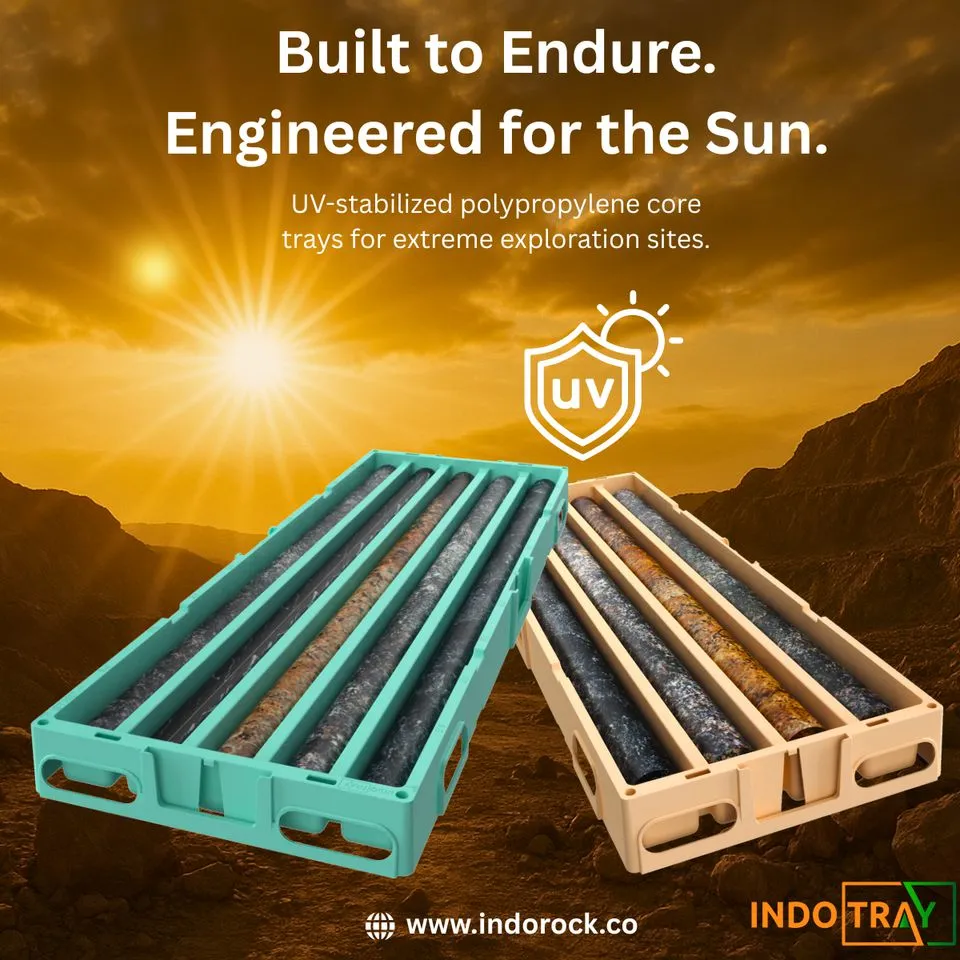
Explore Indotray’s UV-resistant PP core trays and plastic core trays at www.indorock.co to ensure long-term durability, reliable performance, and sample protection for all mining and exploration projects.